A change of pace at China’s central bank
Something is shifting at the People's Bank of China, and if you hold any exposure to emerging markets, commodities, or global bond allocations, you need to understand the mechanics.
Marcus Thorne, Lead Wealth Strategist & Solo Columnist·updated June 22, 2026
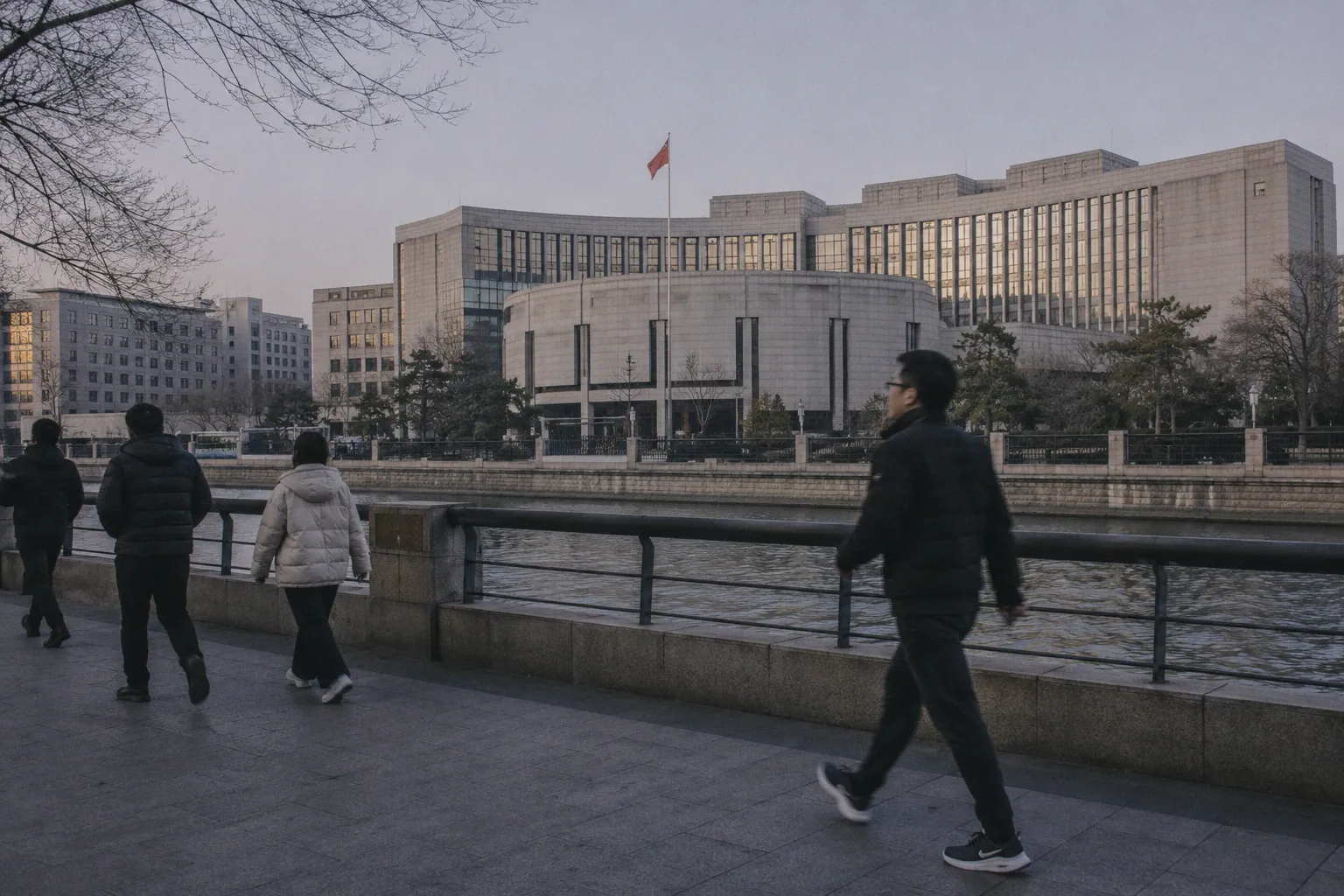
# A Change of Pace at China's Central Bank
What the PBOC Is Actually Doing
The specifics, as reported, center on the PBOC exerting tighter control over short-term interbank rates. This isn't the PBOC cutting or hiking headline rates in the traditional sense—it's more surgical. Think of it as a central bank choosing to steer the engine room rather than yank the wheel. Reuters frames it as a deepening of existing control, which tells us this isn't a one-off move but an evolving playbook. The debate, per the reporting, is whether this represents a genuine policy pivot or a structural recalibration of how the PBOC transmits monetary policy entirely.
We don't have the full text of The Economist's analysis in front of us, so we won't speculate on the granular details. But the headline framing—"a change of pace"—is deliberately chosen. It signals tempo, not direction. That distinction matters.
Why This Matters for Your Portfolio
Here's the math problem: China's yield curve influences capital flows across every major asset class. When the PBOC tightens control over short-term rates, it reshapes the opportunity cost calculation for global fixed-income investors. If Chinese short-term yields become more predictable—or more tightly managed—relative to U.S. Treasuries, that changes where institutional money allocates.
For you, the practical implications run through three channels. First, emerging-market bond ETFs with heavy China weighting will react to any perceived tightening signal, even if it's technical rather than headline. Second, commodity demand expectations—particularly industrial metals—hinge on whether this tighter rate management signals the PBOC is preemptively cooling activity or optimizing transmission. Third, currency exposure: a PBOC that's actively managing rate corridors with more precision is a PBOC defending the yuan's stability, which dampens volatility bets on USDCNH.
The Parallel Signal Worth Watching
While we're tracking Beijing, the Reserve Bank of Australia just held rates at 4.35% and explicitly warned that hikes remain on the table. Both the WSJ and CNBC confirm the same message. Australia's economy is deeply coupled to Chinese demand. A PBOC shift toward tighter short-rate control, paired with the RBA holding firm and threatening upside, creates an asymmetric risk setup for anyone running Asia-Pacific exposure. The RBA isn't reacting to domestic overheating alone—it's reading the same Chinese tea leaves you should be.
The Binary Choice
You can treat this as background macro noise and wait for the PBOC to announce something explicit. Or you can review your emerging-market allocation, check duration exposure in any China-adjacent bond positions, and decide now whether your current risk posture reflects a world where Beijing is actively tightening its rate management. The market won't wait for a press release. Neither should you.