Super Week Ahead: China's Q2 GDP vs. US CPI Showdown; TSMC and ASML Earnings to Test AI Credentials
The week of July 13-20 will pack more market-moving data into 48 hours than most quarters deliver in 90 days.
Nathaniel Prescott, Lead Wealth Strategist & Solo Columnist·updated July 12, 2026
Two Economies, One Shot at Clarity
The US faces a critical inflation print. June CPI and PPI land July 14 and 15; any upside surprise could violently disrupt expectations of a September rate cut. Chair Kevin Warsh makes his congressional debut that same week—House Financial Services on the evening of July 14, Senate Banking on the 15th. You get the data and the policy signal within hours of each other. That alignment produces outsized volatility. The Fed's Beige Book drops on the 15th too, adding on-the-ground texture to the debate.
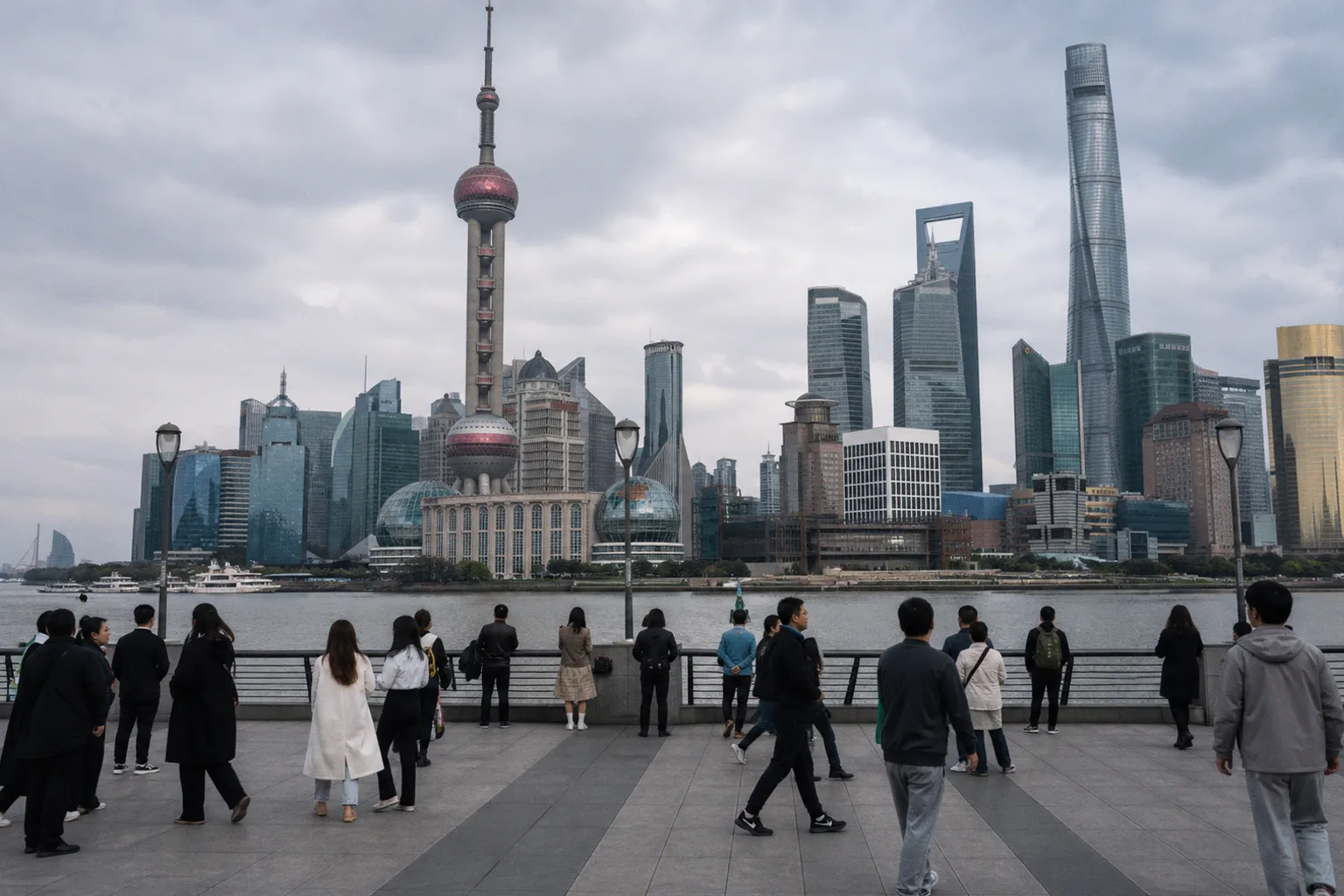
China's concentrated data dump—Q2 GDP, June trade, retail sales, industrial output, 70-city home prices—answers one question: has domestic demand finally gained footing, or are we still in a "strong exports, weak domestic" holding pattern? CICC pegs Q2 GDP growth at roughly 4.4% year-on-year as the high-base effect fades. Retail sales may return to positive territory; export growth could edge lower. The market has been pricing a soft landing for China. If these numbers miss, that trade unwinds fast, and the opportunity cost of being long Chinese equities without hedges becomes immediately visible.
The AI Revenue Question Gets a Hard Number
TSMC's June sales report, delayed by Typhoon Bavi, arrives July 13; full Q2 earnings follow on the 16th. This is the quarter where the AI narrative meets actual revenue recognition. Three metrics matter: what percentage of revenue is genuinely AI-driven, utilization rates on 3-nanometer and more advanced nodes, and whether capex guidance stays elevated. ASML's numbers either confirm the equipment spending cycle or signal a pause in orders.
The asymmetry here is stark. If TSMC's AI revenue mix disappoints relative to committed capital expenditure, the entire semiconductor valuation framework reprices. That's not a sector story—it's a portfolio-level risk event for anyone who's overweighted tech on the AI thesis. The earnings calendar also includes JPMorgan, Citigroup, Bank of America, Wells Fargo, Goldman Sachs, and Morgan Stanley, plus UnitedHealth, Johnson & Johnson, Abbott, and United Airlines. But semiconductors set the risk tone for everything else.
Global Rate Divergence Is No Longer Theoretical
The Bank of Korea is expected to hike rates for the first time in five years on July 16. Governor Rhee Chang-yong has been explicit: above-target inflation, improving conditions, and rising financial stability risks mean the base rate needs to move. South Korea's Financial Supervisory Service is already convening CEOs from Samsung, Mirae Asset, and other major managers on the 13th to discuss leveraged ETF investor protection—triple pressure on their market from hike expectations, persistent foreign outflows, and structural leverage risks.
The Bank of Canada announces on the 15th after three consecutive holds since cutting in January. Neither decision dominates US headlines, but both signal the global rate cycle is fragmenting. If you're positioned for synchronized easing, these data points argue otherwise. For those tracking how these macro catalysts are translating into price action, real-time technical analysis and chart patterns can help you read the tape as it moves.
The binary choice stands: either your portfolio is built to absorb this kind of volatility, or it isn't. This week will make the difference painfully clear.