World stocks edge lower as tech selloff drags markets
Your portfolio is bleeding from the sector that made you money. That's the bottom line from Reuters' June 26 report: global equities edged lower as a tech selloff dragged markets.
Marcus Thorne, Lead Wealth Strategist & Solo Columnist·updated June 27, 2026
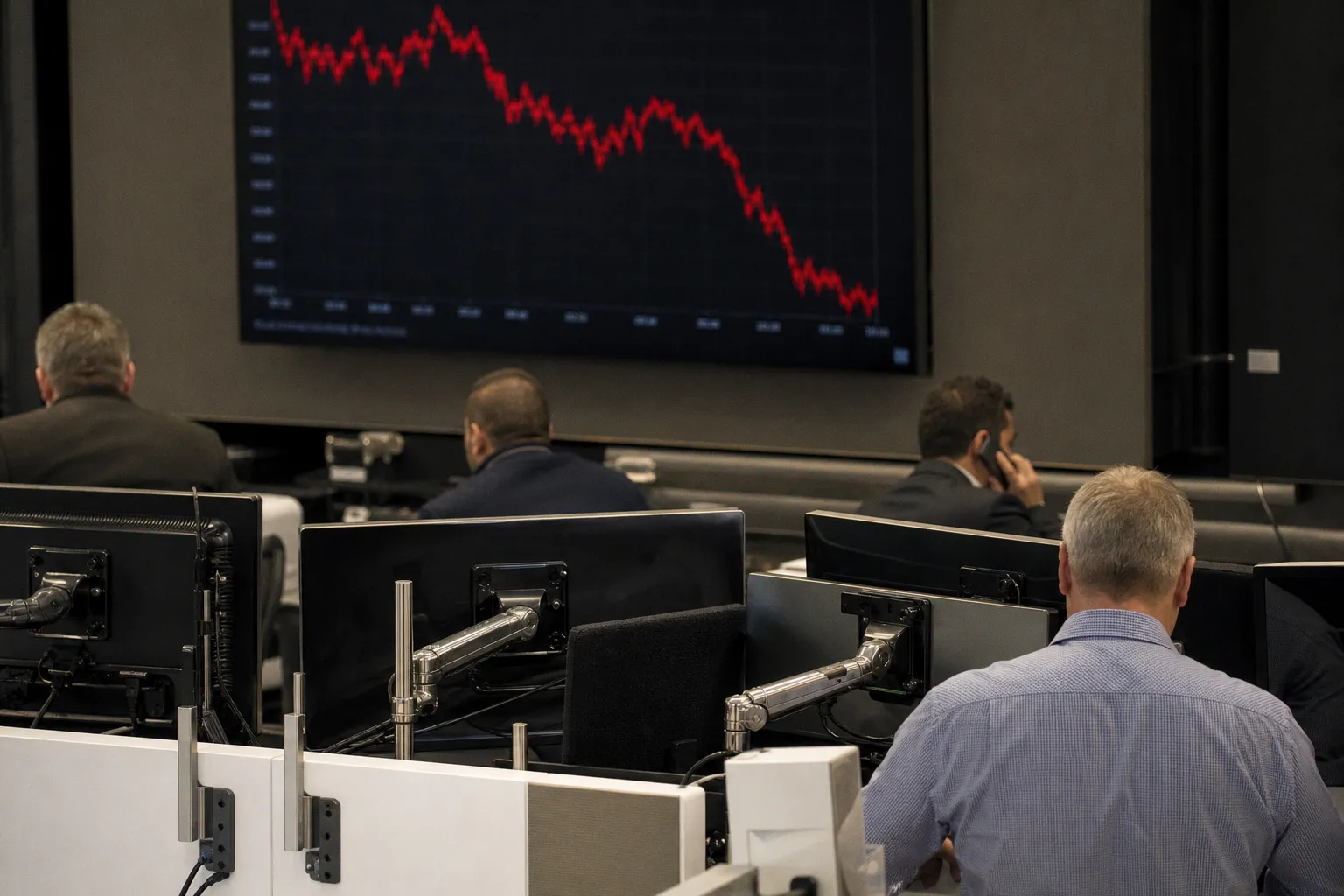
The Mechanism Behind the Print
The directional signal is what matters here, and it's clear. The names carrying the heaviest weight in cap-weighted benchmarks are now the primary source of drag on your net worth. When mega-cap tech sells off, the broader indices follow — not because the market is broadly weak, but because top holdings dominate the weighting math.
This is the concentration risk your "diversified" index fund carries. Most investors never measure it. They see a broad index on the statement and assume broad exposure. What they actually own is a top-heavy basket where a handful of names drive a disproportionate share of returns — and of drawdowns.
What This Is — and What It Isn't
A single session led by tech weakness is not a regime change. It becomes a structural problem when three things compound: credit spreads widen, defensives fail to hold their bid, and rate-sensitive assets reprice simultaneously. We have no confirmation of that cascade. What we have is a reminder.
If your equity exposure matches your time horizon and your risk tolerance, this is noise. If your portfolio is concentrated in AI-adjacent names, this is the cost of that bet. Concentration risk isn't a strategy. It's a wager with asymmetric downside — and that downside is precisely what we're tracking right now.
Discipline Over Tools
Every red session revives the same marketing cycle. AI-driven platforms get pitched as the great democratizer of institutional analytics. Strip the branding away and ask the only question that matters: does the tool change your position-sizing rules, your rebalancing thresholds, or your drawdown tolerance?
It doesn't. The asymmetry in this market lives in execution discipline, not in software. No algorithm fixes a framework that wasn't built to absorb a major drawdown in your largest holdings.
You either treat a session like this as one data point inside a longer thesis, or you treat it as a trigger to act. The math rewards the former. Your job hasn't changed: know your exposure by position, lock in your rebalancing triggers, and let the data confirm a regime shift before you move a dollar.