A.I. Has Rewarded Investors. It May Now Pose Their Greatest Risk.
The S&P 500 is up over 10% for the year, flirting with record closes. A significant portion of that lift is attributable to the A.I. trade. Now, according to reporting from The New York Times, that same force is becoming the market's most concentrated risk.
Nathaniel Prescott, Lead Wealth Strategist & Solo Columnist·updated July 13, 2026
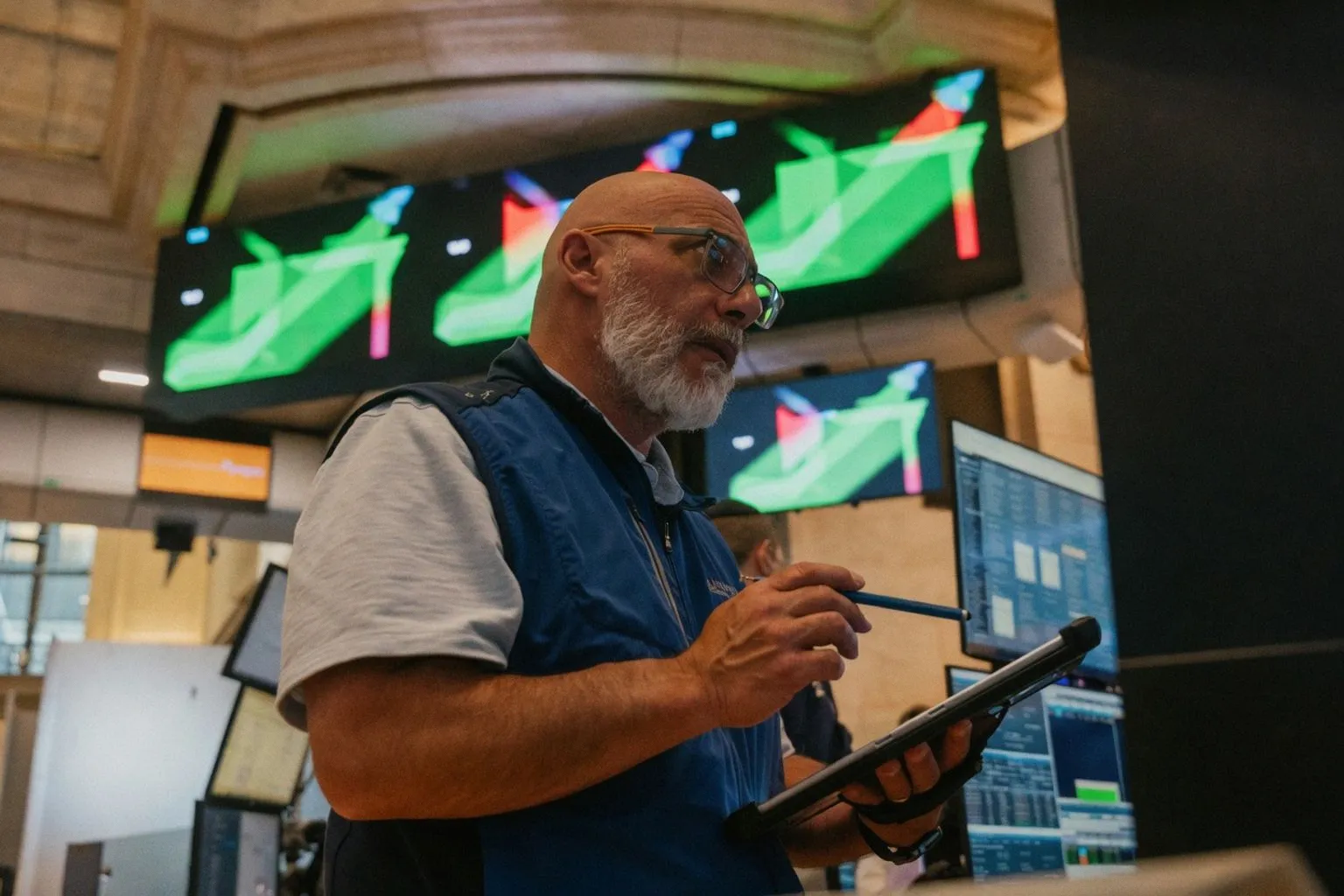
The Concentration Problem
The market's health is a mathematical illusion. Record index highs mask turbulence beneath the surface, particularly in the semiconductor sector—the backbone of the A.I. build-out. When these market-leading shares swing, they drag the benchmarks with them. Your portfolio's correlation to this single theme has likely increased without you realizing it. The opportunity cost of being underweight has been real, but the yield drag from an overweight position is becoming a primary risk factor.
A Calendar Packed with Catalysts
The "skepticism around the A.I. trade" is about to meet a gauntlet of hard data. Next week launches a second-quarter earnings season expected to be strong, starting with major banks. Simultaneously, the U.S. Consumer Price Index report drops Tuesday. Hotter inflation could push the odds of a Fed rate hike higher before year-end. Remember, higher rates directly pressure equity valuations by raising the cost of capital. This isn't a theoretical concern; it's an if/then scenario that directly impacts your net present value calculations.
Geopolitical Noise vs. Price Signal
While headlines focus on Iran and oil prices—Brent crude around $76 a barrel, well below the $100 threat level—the more urgent variable for your money is inflation. The pullback in oil may mitigate the need for aggressive rate hikes, but the core CPI, stripping out energy, will tell the real story. As strategists note, the timing of the next rate move—September or October—may hinge on this single data point. Your tactical allocation decisions should be calibrated to this incoming signal, not to the geopolitical noise cycle.
The environment is what one strategist calls "a very difficult environment to make strategic investment calls." The binary choice is clear: you either have a disciplined, data-triggered process for adjusting your AI and growth exposure, or you're riding a momentum wave with no stop-loss. For a closer look at platforms managing this volatility, see this analysis of brokerage platforms with strong profitability signals.