Bank of England keeps rates steady as it weighs Iran truce
Two central banks. Same week. Same pause. Different problem. The Bank of England held rates steady while explicitly weighing the Iran truce, according to Reuters, and the Federal Reserve held rates…
Marcus Thorne, Lead Wealth Strategist & Solo Columnist·updated June 22, 2026
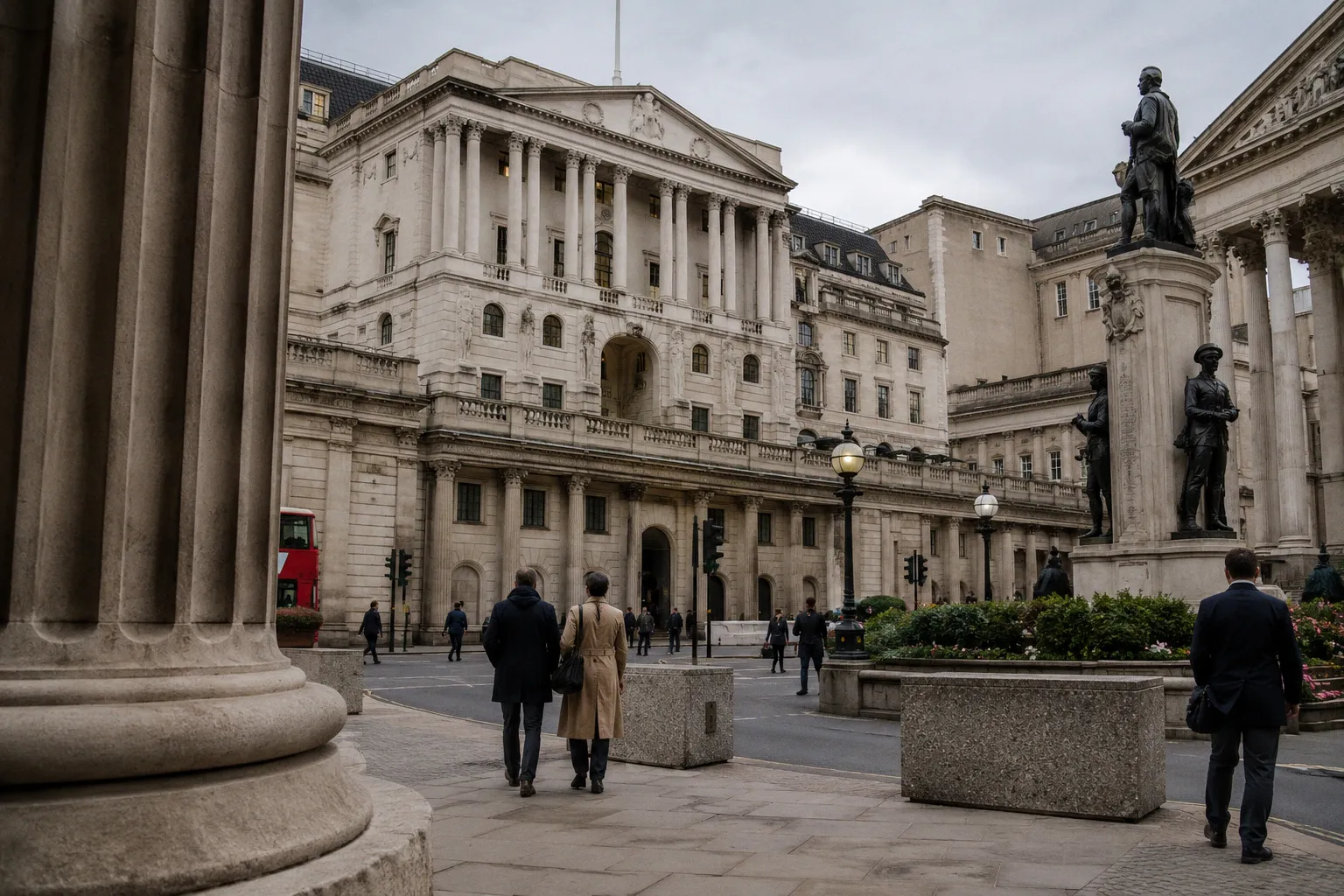
Two central banks. Same week. Same pause. Different problem. The Bank of England held rates steady while explicitly weighing the Iran truce, according to Reuters, and the Federal Reserve held rates steady in what Axios flags as Kevin Warsh's first meeting at the helm. The Washington Post's read is the one that should keep you awake: elevated inflation, and the probability of future hikes is now higher, not lower.
The BoE's Geopolitical Crossroads
Reuters' framing is the part that matters here. A major central bank openly conditioning a hold on a ceasefire is not boilerplate diplomacy. We have watched this linkage operate in markets for years through oil, FX, and term premia, but explicit acknowledgment in policy framing is rarer, and it tells you something about the BoE's hand.
The practical takeaway has not changed. Holding steady is not cutting. If you are parked in money market funds or short-dated gilts expecting the next move to be down, you are accepting yield drag while the probability-weighted path flattens or tilts upward. The truce is a tail-risk discount, not a policy shift. Treat it that way.
Warsh Rewires the Fed's Signal
The WSJ reports that Warsh is overhauling how the Fed communicates, deliberately keeping markets guessing on the rate path. The Washington Post's reporting is blunter: rates held, inflation sticky, hikes more likely. These are not contradictory headlines. They describe a central bank that has decided ambiguity is a policy tool, and that higher-for-longer is the baseline, not the contingency.
This is where you need to run your own numbers. A "pause" framed against an inflation backdrop where hikes remain on the table is not a dovish signal, no matter how the equity tape celebrates it on the day. Equities price relief. Bonds price reality. Make sure you know which one you are holding.
The Binary You Actually Face
The choice is uncomplicated. You either accept the yields currently available on duration you can underwrite and credit risk you can stomach, or you accept that your idle cash is losing purchasing power to the inflation premium the Fed has now openly acknowledged. There is no third path. "Wait and see" is a position with its own cost basis, and that cost basis just moved against you.
Warsh's first meeting and the BoE's diplomatic tightrope are not a green light. They are a stress test. The disciplined move is to size positions to a regime where rates can still go up from here, not one where they have already finished.