BoE's Bailey sees no rush to act on interest rates
A central banker saying “no rush” is not a footnote. It is a cost-of-capital signal.
Nathaniel Prescott, Lead Wealth Strategist & Solo Columnist·updated July 04, 2026
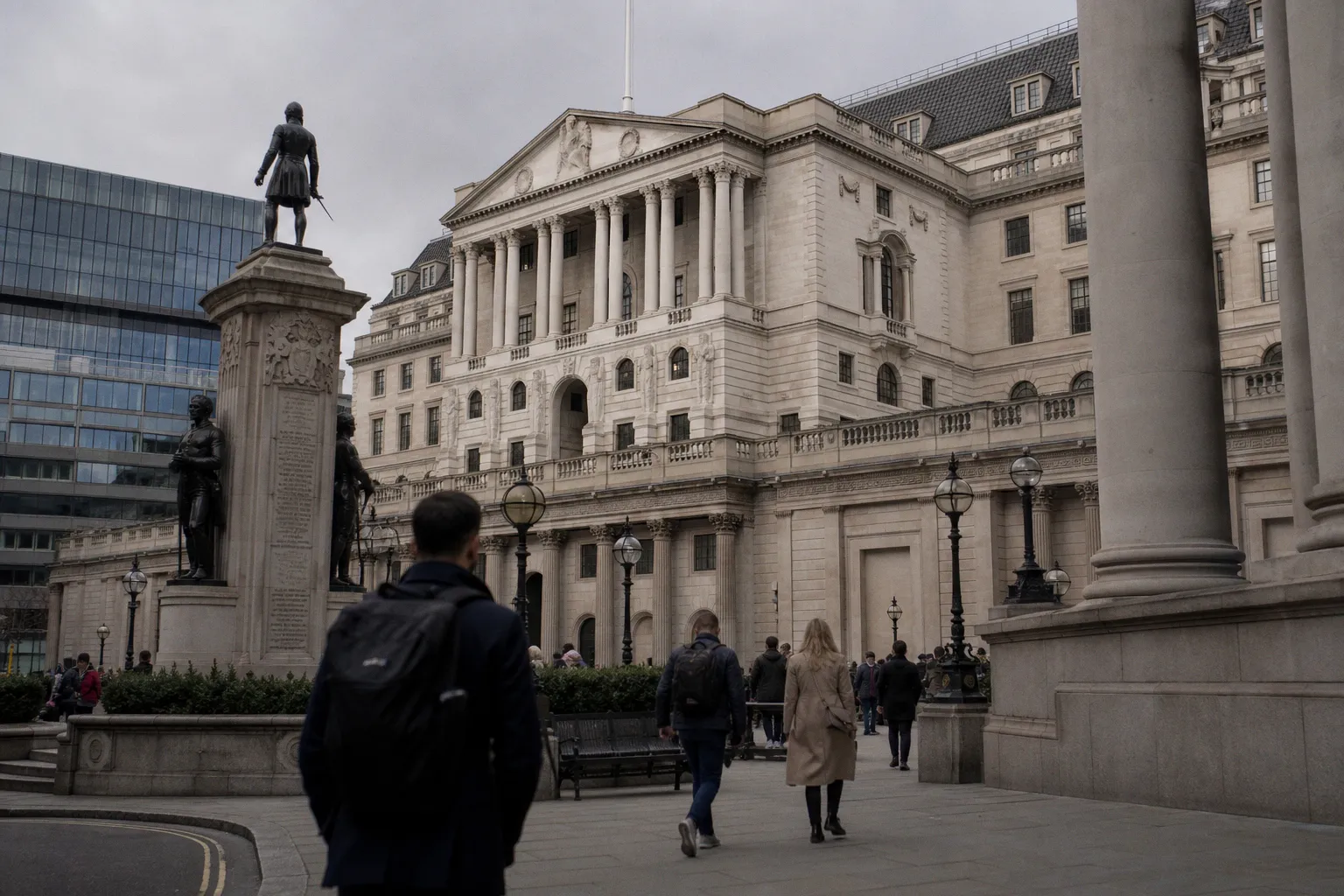
The rate-cut trade still has a timing problem
The market loves a clean story: rates peak, cuts follow, equities re-rate, everyone pretends duration risk never existed. Bailey’s reported stance interrupts that script.
“No rush” does not mean “no move ever.” It means the timing remains uncertain. That matters because timing is where most retail investors quietly lose money. You can be broadly right on direction and still bleed through opportunity cost, yield drag, or premature positioning.
If you are holding cash, the question is not whether cash feels safe. It is whether the after-fee, after-tax return justifies staying parked while equity valuations, bond prices, and income opportunities keep moving. If you are stretching into long-duration assets purely because you expect lower rates soon, you are making a forecast with a deadline. Those are expensive when they fail.
The practical read: stress-test your portfolio against a longer holding pattern. Not panic. Not prediction. Just basic arithmetic.
Central banks are not giving investors a clean green light
Yahoo Finance reported that a new Fed chair was noncommittal on interest rates and emphatic on central bank independence. AOL also reported that the new U.S. central bank boss asserted political independence amid pressure from Trump.
The useful takeaway is not political theater. It is process risk. Central banks are signaling that policy decisions are not being handed to investors as a neatly scheduled gift. Rate expectations remain a variable, not a guarantee.
That means equity investors need to be careful with businesses priced for easy money. When rates stay higher than expected, valuation multiples have less room for sloppy assumptions. Debt-heavy companies face a tougher refinancing backdrop. Growth stocks need real cash-flow credibility, not just a spreadsheet full of distant upside.
This is where discipline beats narrative. If a stock only works because rates fall quickly, that is not an investment thesis. That is a macro bet wearing a company logo.
Check the weak links: debt, duration, and cyclicals
One source in the pack points to Thor Industries facing headwinds from rising oil prices and interest rates in a quarterly earnings context. Treat that carefully, because the available detail is thin. But the category of risk is familiar: rate-sensitive, cyclical businesses do not need a crisis to disappoint. They only need financing costs and input pressures to stay inconvenient.
For personal portfolios, this is the audit list.
First, look at leverage. Companies that rely on cheap debt deserve a higher burden of proof. Second, look at duration. Long-dated bonds and long-duration equities can move hard when rate expectations shift. Third, look at your own liabilities. Variable-rate debt, margin borrowing, and unnecessary portfolio turnover are not harmless in a world where central banks refuse to rush.
The binary choice is straightforward. You can position as if rate relief is imminent and accept the timing risk. Or you can build a portfolio that survives a slower policy path: stronger balance sheets, realistic valuation assumptions, controlled duration, and enough liquidity to avoid forced decisions.
The second path is less exciting. It is also how wealth compounds without begging central bankers for perfect timing.