Deutsche Bank AG amid global banking shifts. Investors watch strategy and capital moves
When Europe's largest listed bank by assets quietly restructures its entire business model, you pay attention—not for the drama, but for the cash flow implications.
Nathaniel Prescott, Lead Wealth Strategist & Solo Columnist·updated July 07, 2026
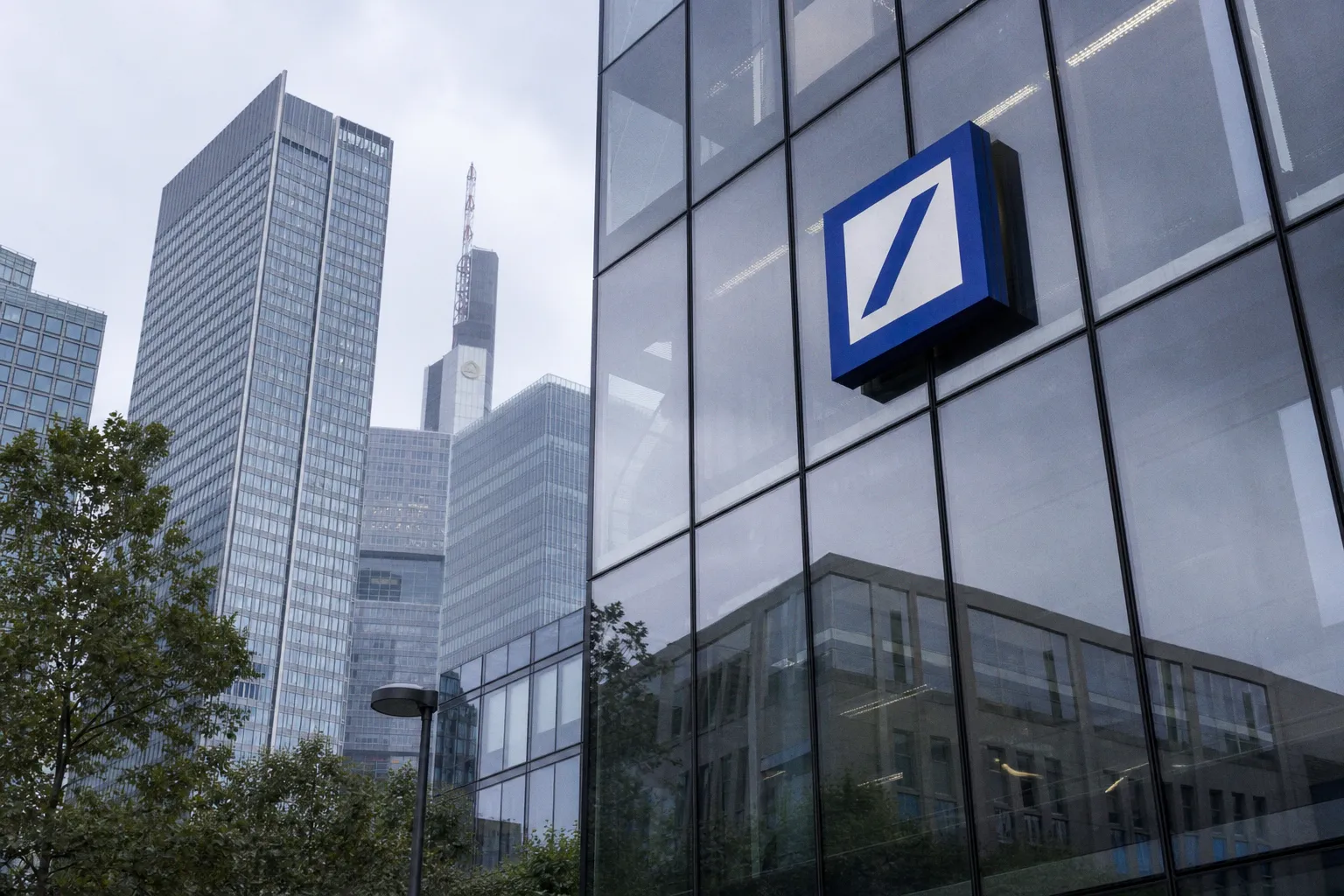
Deutsche Bank AG is in a calculated transition. Management is stripping risk-weighted assets from non-core areas and reinforcing capital buffers to meet regulatory bars. This isn't about a single quarter; it's about engineering a balance sheet that can weather the next cycle. For you, the investor, it's a live case study in how a major institution navigates shifting rate policies and regulatory demands.
The Strategy: Pare Back, Diversify Forward
The playbook is clear: simplify the group structure and double down on areas promising sustainable profit. This means a deliberate pivot away from volatile, capital-intensive activities towards a steadier mix of corporate banking, private banking, and select investment banking segments. The goal is to smooth earnings volatility. In a higher-rate environment, this disciplined balance sheet usage is designed to protect margins while managing funding and liquidity risks. You're watching a bank try to replace erratic revenue with predictable cash flow.
Capital as the Ultimate Scorecard
In a tighter regulatory regime, the numbers that matter are stark: a robust common equity tier 1 ratio and a stable leverage ratio. These aren't abstract metrics; they are the direct measures of a bank's resilience and its capacity to return capital to shareholders. Deutsche Bank's focus on strengthening these buffers is a signal to the market. For your portfolio, it highlights the non-negotiable importance of capital strength in financial holdings—any yield you're chasing is irrelevant if the underlying capital structure is fragile.
The Investor's Calculus
This shift by Deutsche Bank underscores a broader European banking reality: legacy issues are being addressed through cost discipline and digital transformation. The bank is investing in technology to streamline everything from trading to payments. This is where the opportunity cost analysis kicks in. As an investor, are you positioned in banks that are actively upgrading their operational efficiency and risk monitoring, or those still burdened by outdated models?
The takeaway is binary. You either treat bank stocks as pure yield plays, ignoring the underlying business model risks, or you dissect these strategic shifts. Deutsche Bank's current maneuvers offer a template for identifying institutions building durable, capital-efficient franchises. Watch their cost controls and revenue diversification—the mechanics of wealth preservation often hide in plain sight.