How the Bank of Canada Rate Cut Reshapes Your Investment Strategy
Reuters reports that the Bank of Canada has cut its policy rate by 25 basis points to 4.5%, its second consecutive move lower.
Nathaniel Prescott, Lead Wealth Strategist & Solo Columnist·updated July 26, 2026
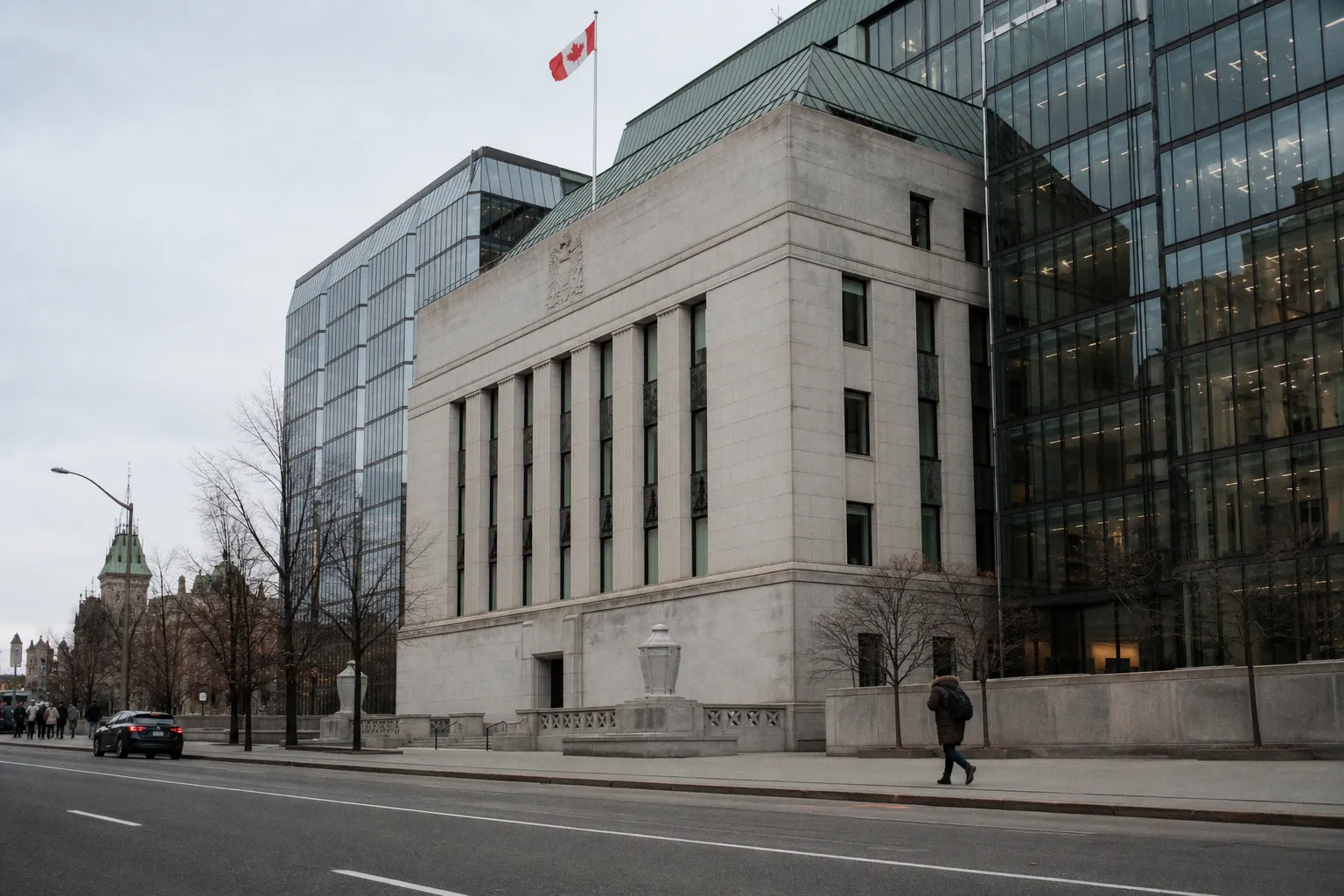
The stated logic is straightforward: broad inflation pressures are continuing to ease, and the bank wants to support economic growth. For investors, the headline is not a buy signal. It is a repricing input.
Lower rates change the spreadsheet, not the strategy
A policy-rate cut affects the discount rate investors use—explicitly or not—when valuing future cash flows. If financing costs fall and remain lower, heavily indebted companies may get some relief. If economic support works, cyclical businesses may see a better operating backdrop.
But “may” is doing real work here. A single cut does not repair a weak balance sheet, create earnings, or turn an expensive stock into value. We should stress-test the assumption instead of buying the central-bank narrative wholesale.
If a company needs cheaper borrowing just to maintain its current position, that is not asymmetric upside. It is dependence on monetary conditions. If it can fund operations, protect margins, and compound cash flow without leaning on rates, the cut is incremental rather than existential.
Cash investors now face the quiet cost
For savers, rate cuts usually introduce yield drag. The policy rate is not the same thing as the rate on your account, deposit product, or bond fund—but it is part of the direction of travel. That makes the documents matter.
Check the terms on cash products approaching renewal. Check whether a quoted yield is fixed, promotional, or variable. Check the duration and interest-rate exposure inside any fund you have been treating as “cash.” Those are distinct risks, and Wall Street marketing is unusually good at blending them into one comforting label.
Do not respond by reaching for extra equity risk solely because cash yields may become less attractive. That is a classic opportunity-cost error: abandoning liquidity because its return is less exciting, then discovering you needed the liquidity when markets repriced.
The market is not trading one central bank
The wider backdrop remains uneven. Russia’s central bank has also cut its key rate despite inflation concerns, while South Africa has held rates despite inflation, according to separate reports. That contradiction is the point: monetary policy is becoming less synchronized, not more predictable.
Growth expectations will matter alongside inflation and policy decisions. Investors tracking that macro pressure can start with the IMF’s reduced 2026 global growth forecast. But do not turn a macro headline into a portfolio overhaul.
The practical choice is binary. Either your allocation already matches your time horizon, liquidity needs, and tolerance for rate-driven volatility—or it does not. A 4.5% Canadian policy rate is a reason to audit those assumptions. It is not a reason to abandon them.