World shares are mixed after a Big Tech sell-off
The S&P 500 dropped 7 points yesterday. Headlines called it a "Big Tech sell-off." But nearly two-thirds of the 500 stocks in that index actually rose.
Marcus Thorne, Lead Wealth Strategist & Solo Columnist·updated June 25, 2026
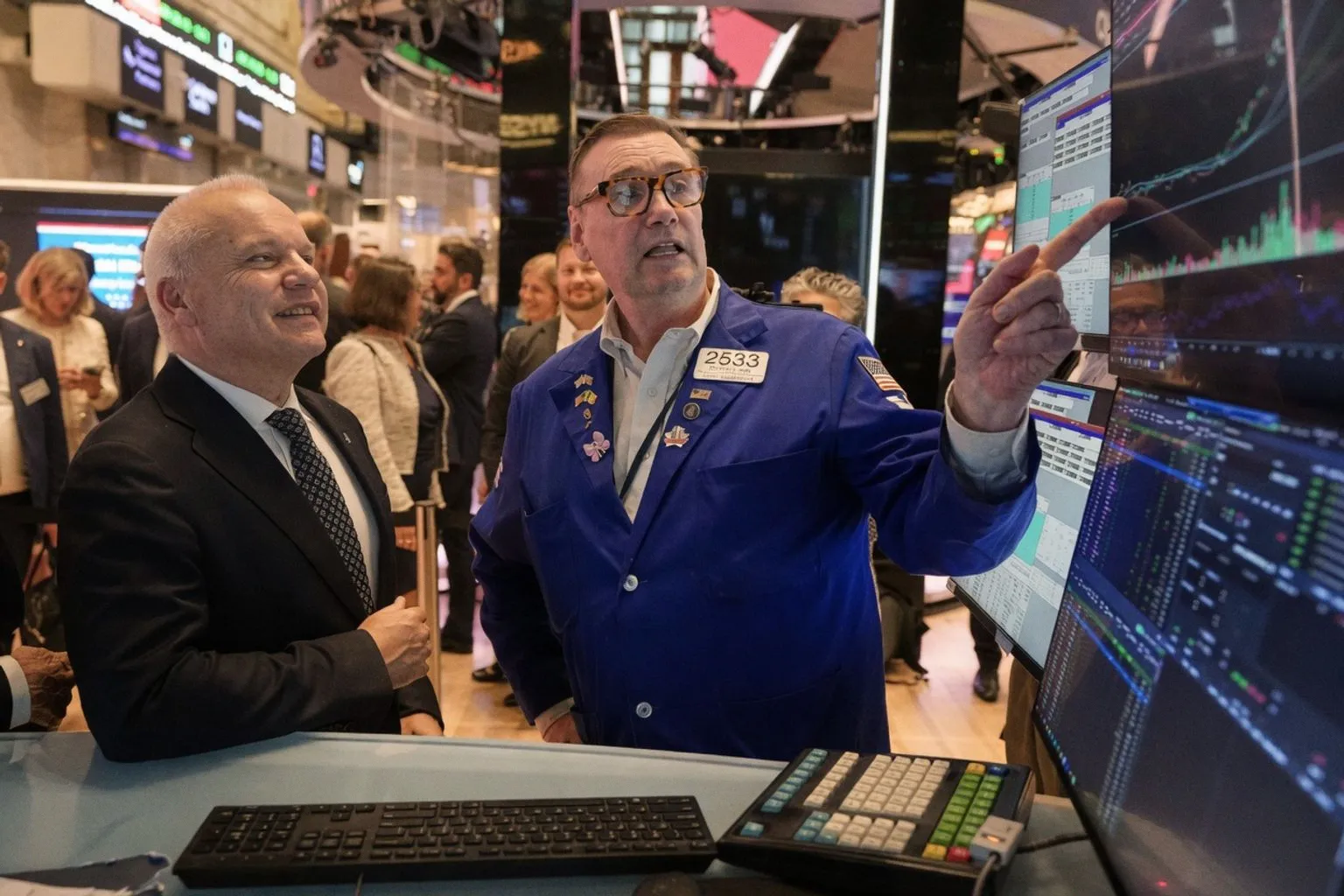
Index-level headlines are lying to you. When the S&P 500 falls 0.1% while roughly 330 of its constituents gain ground, you're looking at a concentration event, not a market crash. Microsoft alone shaved 2.3%. Oracle dumped 4.6%. Strip those two names out and you're staring at a modestly green day. That is the structural reality the financial press refuses to print on a front page, because nuance doesn't generate clicks.
The Mag 7 Has Become Your Portfolio's Idiot Savant
We are now running a market where seven stocks determine whether your 401(k) posts a gain or a loss on any given session. Alphabet joins the Dow on Monday as the fifth Magnificent 7 member, replacing Verizon. You want to know what that swap means for the average investor? Practically nothing on the Dow, because nobody indexes to the Dow. But it telegraphs exactly how concentrated the cap-weighted S&P 500 has become—the fund your retirement account actually owns.
Columbia Threadneedle's chief portfolio strategist Jason Vaillancourt put it cleanly in a research note: "The next phase of the AI investment cycle is beginning to collide with market discipline." Translation: the bid under these names is thinner than consensus assumes. If you're sitting in a vanilla S&P 500 index fund, your single-factor risk just went up. Not down. You are more exposed to Big Tech drawdowns today than you were a week ago.
The Fed Is Painted Into a Corner
The 10-year Treasury yield fell to 4.40% from 4.50%. The 2-year eased to 4.15% from 4.16%. On the surface, that reads as a dovish reprieve. It isn't. CME data shows Wall Street pricing in at least one rate hike by December, and tomorrow's PCE print is forecast to show prices up 4.1% year-over-year—the highest reading in three years. Tariff pass-through plus the Iran-driven energy shock have re-ignited the inflation the Fed thought it had buried.
Here is the if/then: if PCE prints at or above 4.1%, the Fed's "considering a hike" language hardens into "preparing to hike." Two-year yields back up. Multiple compression on Big Tech accelerates. Conversely, if PCE comes in soft, the Mag 7 stabilizes and rate-sensitive sectors catch a tailwind—yesterday's homebuilder surge (KB Home up 16.7%, D.R. Horton up 6.7%) shows where the rotation lands. One inflation print. Two regimes. Position for one or the other, not both.
Your Move
You have two choices. Accept that your index fund is now a leveraged bet on seven stocks and size your position accordingly, or rotate into equal-weighted S&P strategies and active value funds where breadth actually drives returns. The oil decline—Brent down 3.8% to $73.87 as U.S.–Iran talks advance—isn't a green light to pile back into energy. It's a signal that inflation relief is conditional, not guaranteed.
Ignore the headline. Read the breadth. The market just told you exactly where the risk is hiding.